ADHD-Friendly Work Routine That Actually Boosts Focus Without Burning You Out
Build an ADHD Work Routine That Actually Fits Your Brain
If your brain treats “routine” like a suggestion rather than a system, hi, welcome to the club. We’re the ones who buy planners out of hope, color-code them for three days, and then forget they exist.
Here’s the truth: an ADHD friendly work routine that actually works has to meet your brain where it is. It’s not about “getting your life together” — it’s about creating rhythms that keep your brain interested and your body from revolting halfway through the day.
Building a work routine when you have ADHD isn’t about willpower or productivity hacks. It’s about creating a rhythm that works with your brain, not against it—one that gets you through the day without ending up in burnout or analysis paralysis (or both).
I won’t bore you with an unrealistic “5 a.m. miracle morning” pep talk. This guide blends movement, novelty, and structure — plus a few ADHD-friendly tools that make focus feel a little less impossible.
🔗 Quick Jump Ahead
(Because scrolling counts as cardio, right?)
☀️ Morning Momentum — How to Start Without Spiraling
⏰ Flexible Time-Blocking (That Doesn’t Feel Like Prison)
🧃 Midday Reset — Outsmart the 2 p.m. Focus Crash
🏡 Work-From-Home, ADHD Edition
🎧 Control the Noise, Control the Chaos
🔄 End-of-Day Cooldown — Logging Off the ADHD Way
☀️ Morning Momentum: How to Start Without Spiraling
Most ADHD time management advice forgets that adults juggle chaos before the workday even begins — we need flow, not rigidity.
You wake up thinking about everything you should do, feel overwhelmed before you’ve even brushed your teeth, and somehow end up deep-cleaning your fridge when looking for creamer at 9 a.m. instead of checking emails.
That’s not a failure of motivation — that’s executive dysfunction in its natural habitat.
When your brain wakes up, dopamine levels are low, working memory is sluggish, and decisions feel heavier than they are. So the goal isn’t “get it all together,” it’s “get it started — gently.”
💡 The ADHD Morning Truth
Our mornings fail not because we can’t wake up, but because our brains can’t see the next clear step.
Your internal “start button” is buried under tasks that feel abstract and effortful. The trick is to make them visible, tangible, and rewarding enough to spark movement.
So instead of aiming for a perfect ADHD morning routine, build one that feels safe for your nervous system.
1. Reduce Friction, Not Freedom
ADHD brains thrive on autonomy. If your routine feels like a list of demands, your mind will instantly rebel.
The fix? Lower resistance instead of tightening control.
- Start with a cue, not a chore. Light a candle, open curtains, or play your “morning activation” playlist. The cue triggers your brain before your to-do list overwhelms it.
- Keep your planner visible. The ADHD Planner is your visual anchor — clean, simple, and forgiving. Leave it open on your desk or counter, even if all you do is doodle one task in it.
- Do one micro-task before caffeine: make your bed halfway, move a dish, or write one sentence. It’s not about the task — it’s about momentum.
(Future You doesn’t need you to wake up productive. Future You just needs you to commit to an ADHD friendly work routine.)
2. Externalize Your Start Button
Your brain can’t start on demand, so make “starting” something you can see.
That’s where the Visual Timer comes in handy — it transforms time from an abstract number into a visible countdown. Set it for 10 minutes of “getting into motion.” That might mean brushing your hair, making coffee, or staring into space while your brain boots up — no judgment.
When the timer runs out, you’ve already tricked your brain into “doing,” not “thinking about doing.”
Mini Dopamine Trick: Reward yourself at the end of that first 10 minutes — even if it’s just a song, a stretch, or a sip of something nice. Dopamine responds to closure, not perfection.
3. Build “Soft Structure”
Mornings often fail because traditional structure feels like pressure. An ADHD morning routine for adults should feel like a soft launch, not a system reboot — simple cues, small wins, and coffee first.
Example:
- Wake up → turn on lamp → bathroom → drink water → sit with coffee & planner
- Or: get up → pet dog → open window → pick one “anchor” task (email, dishes, journaling)
The key is sequence over strictness. Same order, different vibe.
💬 If your brain says “I don’t want to,” start with something your body can do instead. Physical action usually precedes motivation, not the other way around.
4. Normalize the Restart
If your morning derails by 9:30, you’re still allowed to restart. ADHD time perception can make “bad start = bad day” feel true, but it isn’t.
A single reset — standing up, changing your environment, or opening your planner again — tells your brain the day isn’t lost.
(Mine resets around noon most days, with a sandwich in one hand and optimism in the other.)

🌤️ Why This ADHD Work Routine Works
ADHD mornings improve when you give your brain:
- A visible cue to start
- A tiny, achievable action
- A reward loop for following through
The best ADHD morning routine for adults starts with one visible cue and zero guilt for slow starts.
⏰ Flexible Time-Blocking (That Doesn’t Feel Like Prison)
Time-blindness means ADHD brains don’t feel time passing — we just feel when something’s interesting or not. That’s why rigid schedules crash and burn.
Instead of mapping your day by hours, try ADHD time blocking:
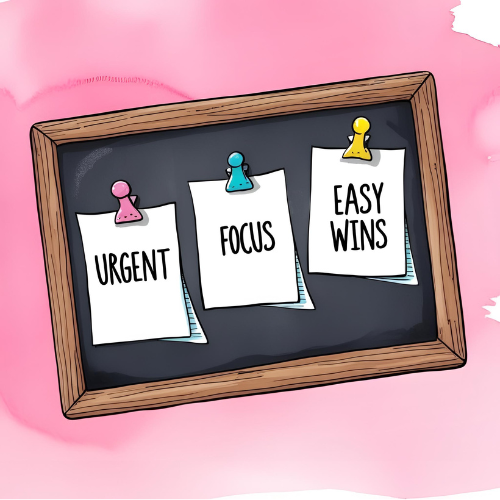
- High Focus: creative work, problem-solving
- Medium Focus: meetings, admin
- Low Focus: cleanup, planning, emails
As an Amazon Associate, I earn from qualifying purchases. This post contains affiliate links, which means I may earn a small commission if you purchase through my links. This supports my work at no extra cost to you.
Use your Visual Timer as a friendly boundary, not a countdown. Watching time move gives your brain feedback — you can literally see your focus window shrink, which helps you stay in it instead of drifting.
💡 Mind Shift Moment: ADHD time management for adults isn’t about squeezing more into the day — it’s about learning when your brain actually wants to focus.

Midday Reset: Outsmart the 2 p.m. Focus Crash
If mornings are about ignition, afternoons are about survival. This ADHD-friendly work routine keeps structure flexible and expectations human — perfect for brains that hate being boxed in.
That 2 p.m. brain fog? It’s not you being “lazy.” It’s biology.
ADHD brains burn through dopamine, glucose, and focus fuel faster than average. By early afternoon, your mental gas tank is empty, and your brain is searching for stimulation (or snacks).
This ADHD morning routine doubles as time management for adults who need structure that bends, not breaks.
1. Move Before You Lose It
Before you hit the wall, schedule movement. It doesn’t have to be a full workout — just a pattern break.
- Stand up and stretch.
- Walk to refill your drink.
- Raise your Standing Desk and do the next task upright.
Even a 3-minute posture shift sends a “something’s happening” signal to your dopamine system.
💬 Every movement = micro-reset for your attention span. Building an ADHD-friendly work routine means trading shame for strategy and finding rhythms that bend with your attention.
2. Feed Your Brain, Literally
ADHD isn’t just mental — it’s metabolic.
Low blood sugar and hanger make focus feel impossible.
Keep small, no-prep snacks nearby:
- Apple + peanut butter
- Cheese stick + crackers
- Protein bar + water
Pro tip: keep a stash at your desk. Out of sight = out of mind = still hungry two hours later.
3. Change Your Scenery (on Purpose)
Novelty revives attention — use that to your advantage.
Move from your desk to a new spot: couch, patio, window seat.
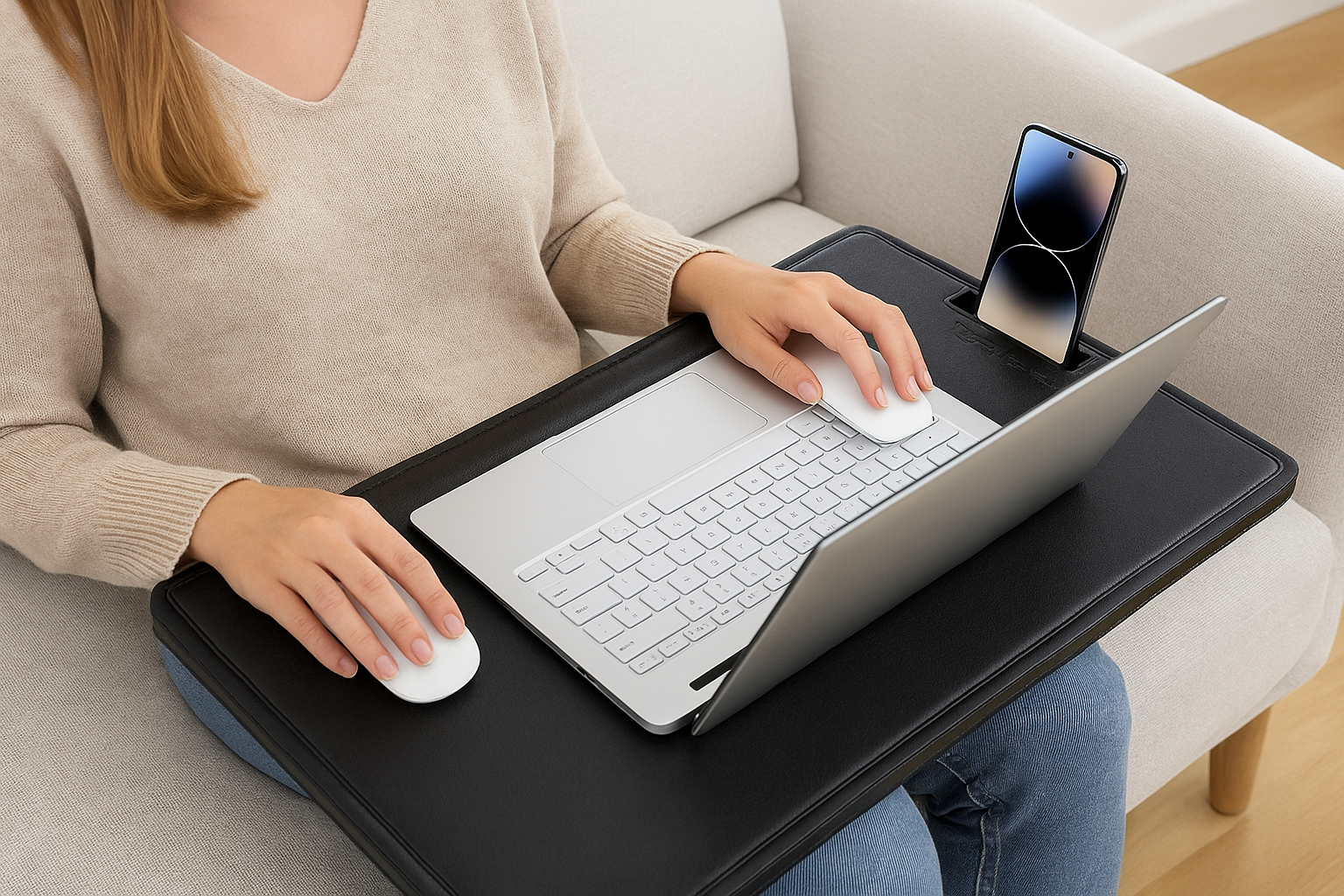
That’s where your CENNBIE Leather Lap Desk shines — it gives your ADHD brain the freedom to roam withoutlosing structure.
Its soft base, wrist support, and smooth surface make it feel like your portable “focus bubble.”
💡 Mind Shift Moment: Changing positions isn’t avoiding work — it’s changing input. Your brain interprets it as fresh data, and suddenly your task feels new again.
4. Refresh Your Senses
ADHD attention isn’t fueled by silence — it’s fueled by controlled stimulation.
If the afternoon slump hits hard, switch your sensory environment:
- Light a candle or diffuse a citrus scent (dopamine loves novelty).
- Play an energizing playlist.
- Put on your Noise-Canceling Headphones and switch to ambient sound or brown noise.
This combination of sound, light, and micro-motion works better than sheer willpower — because it speaks your brain’s actual language.

(Eating, stretching, or switching spots all count as productivity for ADHD brains. They’re maintenance, not mistakes.)
💬 The ADHD “Nap Hack”
If your focus crashes completely, try a 20-minute “dopamine nap.”
Lie down, close your eyes, and let your brain reboot. Most ADHD adults wake up more regulated, not groggy — it’s your nervous system catching its breath.
🌈 Why This Works
Afternoons are your brain’s “attention desert.” Movement, novelty, and light stimulation act as mini dopamine infusions that refill your tank naturally.
You’re not lazy — you’re refueling.
🏡 Work-From-Home, ADHD Edition
ADHD + remote work is a love-hate relationship. You get the freedom your brain craves… and the distractions that come with it. Suddenly, the laundry looks urgent, your dog is your coworker, and your couch whispers, “just one more scroll.”
The key isn’t forcing yourself to stay still — it’s creating movement on purpose.
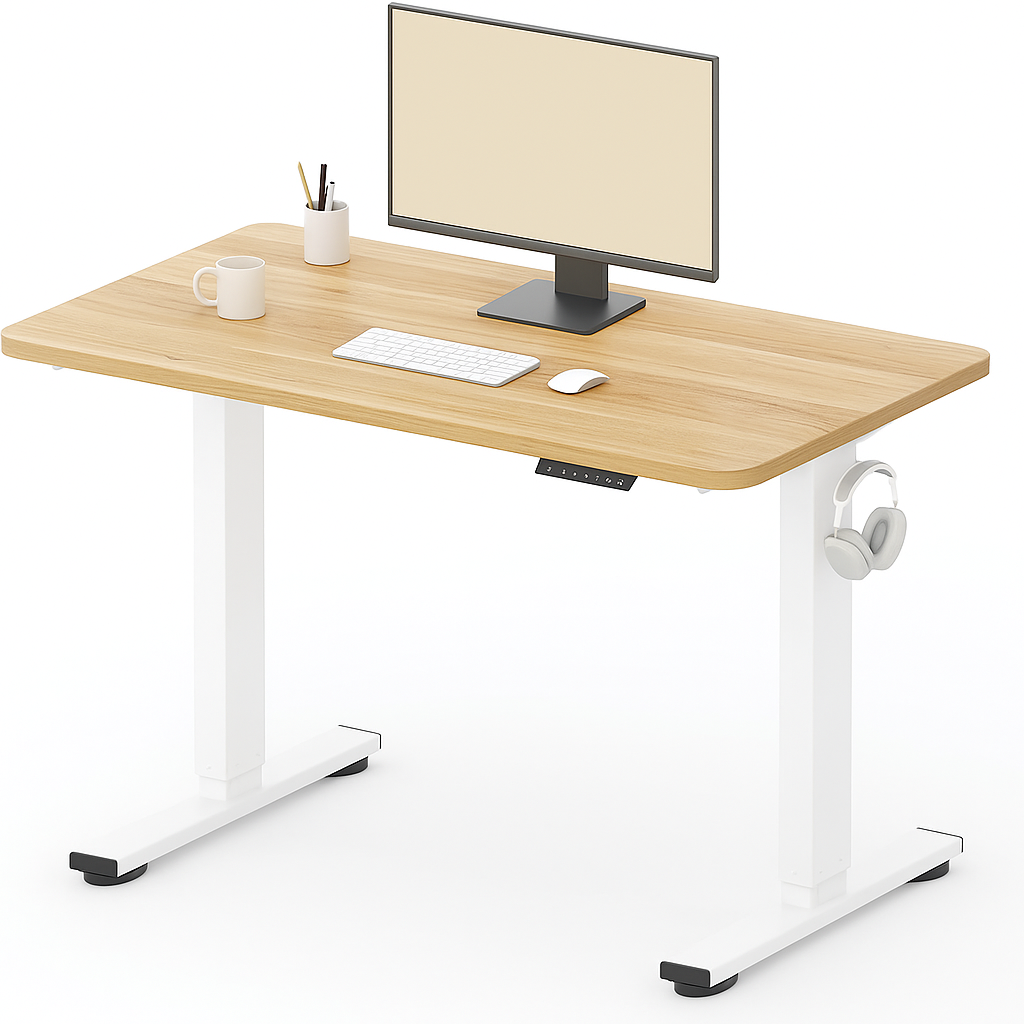
That’s where a standing desk comes in clutch. It’s not just about posture; it’s about regulation. Every time you raise or lower the desk, your brain gets a small dopamine boost from novelty and motion. Those micro-shifts re-energize your focus without needing a full break.
💡 Mind Shift Moment: Movement isn’t distraction — it’s how ADHD brains reset attention.
Pair your desk transitions with new sensory cues — a different playlist, a quick stretch, a sip of coffee.
Your workspace doesn’t need to be static; it just needs to support the way your brain actually works.
(I call it “strategic fidgeting” )
🎧 Control the Noise, Control the Chaos
ADHD attention works like a constantly refreshing browser — your brain keeps scanning for what feels most urgent or interesting.
That’s why controlling your sensory environment is half the battle.
Noise-canceling headphones are less about silence and more about control. They let you curate your soundscape: rain sounds, instrumental lo-fi, or even pink noise — steady inputs that anchor attention.
If silence feels too sharp (common with ADHD), add gentle background sound. Your nervous system likes predictable patterns; it’s why many ADHD adults focus better in coffee shops than libraries.
💡 Brain Boost: ADHD brains crave consistent sensory input. Controlled background noise keeps your attention stable by giving your mind a safe “anchor” to hold onto.
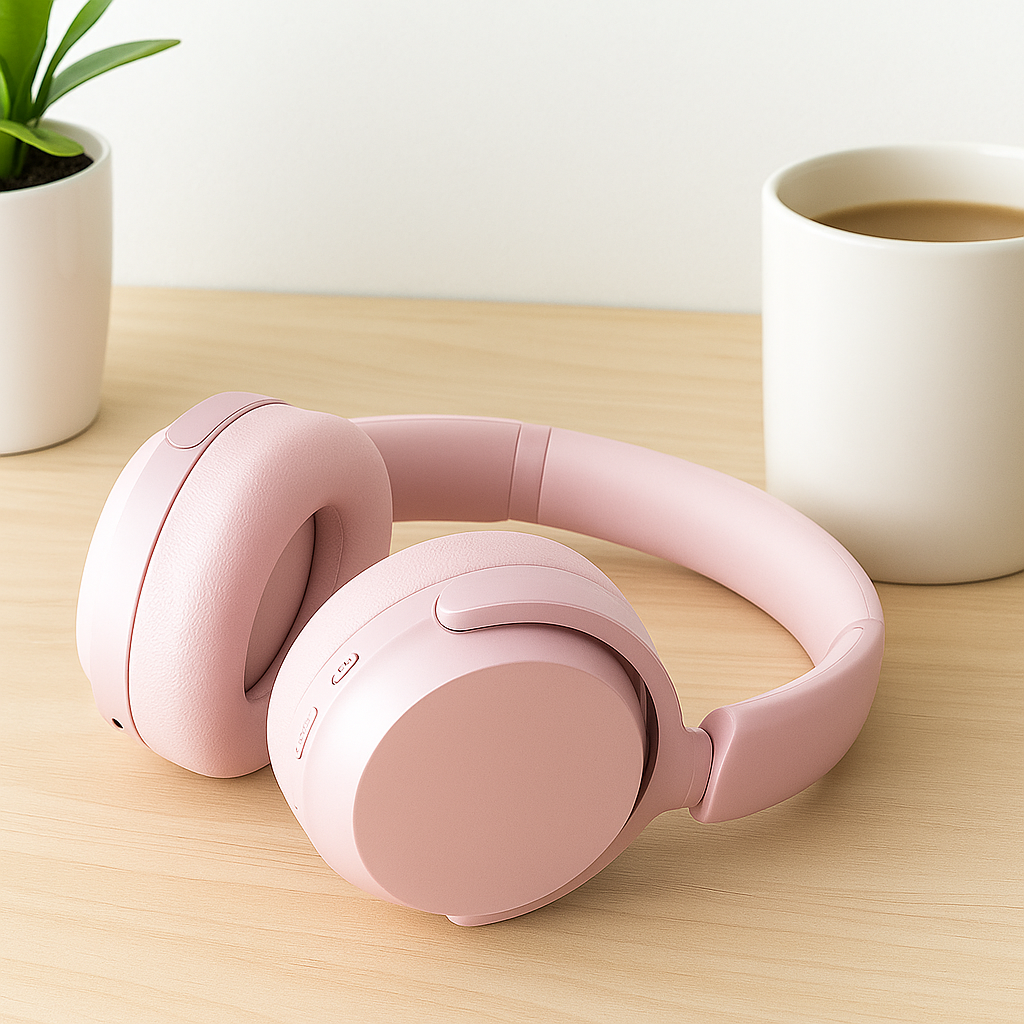
(Mine are pastel pink because if I’m going to wear a sensory shield, it might as well be cute.)
🔄 End-of-Day Cooldown — Logging Off the ADHD Way
Real ADHD time management for adults looks less like a planner full of checkboxes and more like energy cycles that actually match your life.
End your workday with closure rituals that signal “done”:
- Write tomorrow’s top three in your ADHD Planner.
- Do a quick desk reset. Visual order helps mental order.
- Reward yourself. Play your “done” song, light a candle, stretch.
If sitting feels impossible, use your Standing Desk for this — it creates a literal “wrap-up” movement. Finish standing, take a deep breath, and shut down like a ceremony.
💡 Mind Shift Moment: Burnout often hides in “invisible work.” ADHD time blocking for adults works best when the blocks match energy, not the clock..

🪄 Before You Go
If your “perfect routine” keeps collapsing, congratulations — you’re human.
ADHD progress doesn’t look linear; it looks like falling apart and rebuilding smarter.
Your routine isn’t a test you pass. It’s a conversation with your brain — and every adjustment teaches you what works better next time.
Start with one anchor habit (like your timer or planner), then layer in tools that support movement and comfort. Your ADHD work routine probably won’t be built in a week; it will evolve with you.
So experiment. Move. Forgive yourself often.
Because “trying again” is your routine.
📌 Next read: ADHD Friendly Morning Routine